The Future of the Textile Industry: Bio-Based Fibers
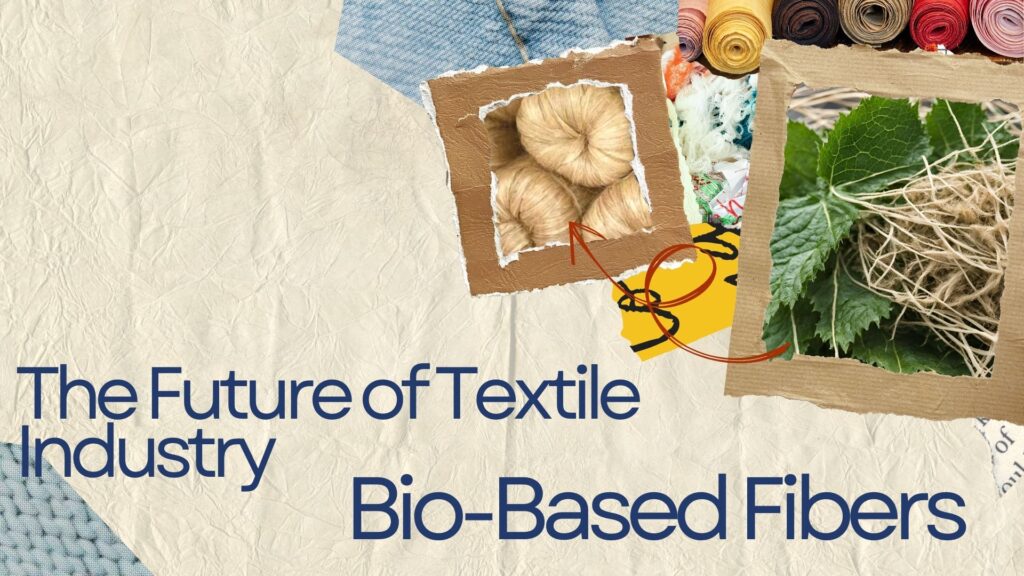
As global fiber demand continues to rise, the environmental toll of fossil-based fibers is becoming increasingly urgent. In just one year, fiber production surged from 116 million tons in 2022 to 124 million tons in 2023, with projections estimating the global market will reach 160 million tons by 2030.
Transition Pathway for the Chemical Industry – What You Need to Know
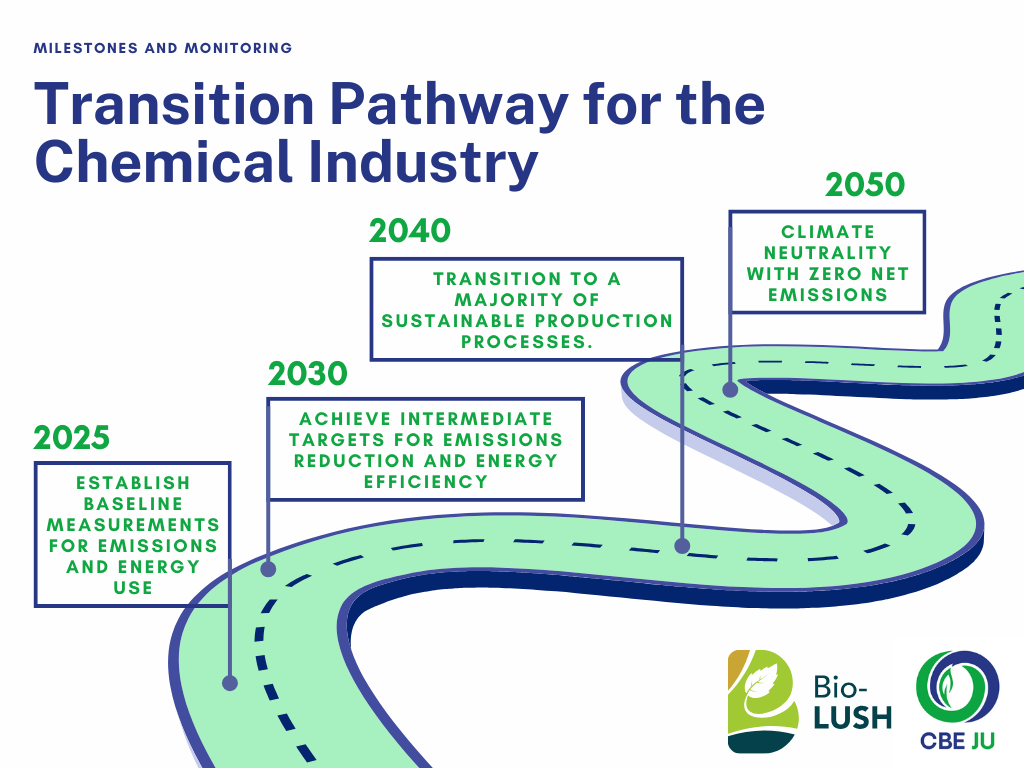
The “Transition Pathway for the Chemical Industry” is a strategic roadmap crafted to guide the sector towards sustainability and climate neutrality. This comprehensive document provides a detailed framework for achieving these goals, outlining specific actions, milestones, and support mechanisms essential for a successful transition. In our blog, we offer an overview of all the important points from this roadmap, highlighting the key strategies and steps that need to be considered to align the operations with environmental standards and drive progress towards a greener future.
What Does the New EU’s Regulation Ecodesign for Sustainable Products Mean for You and the Planet?
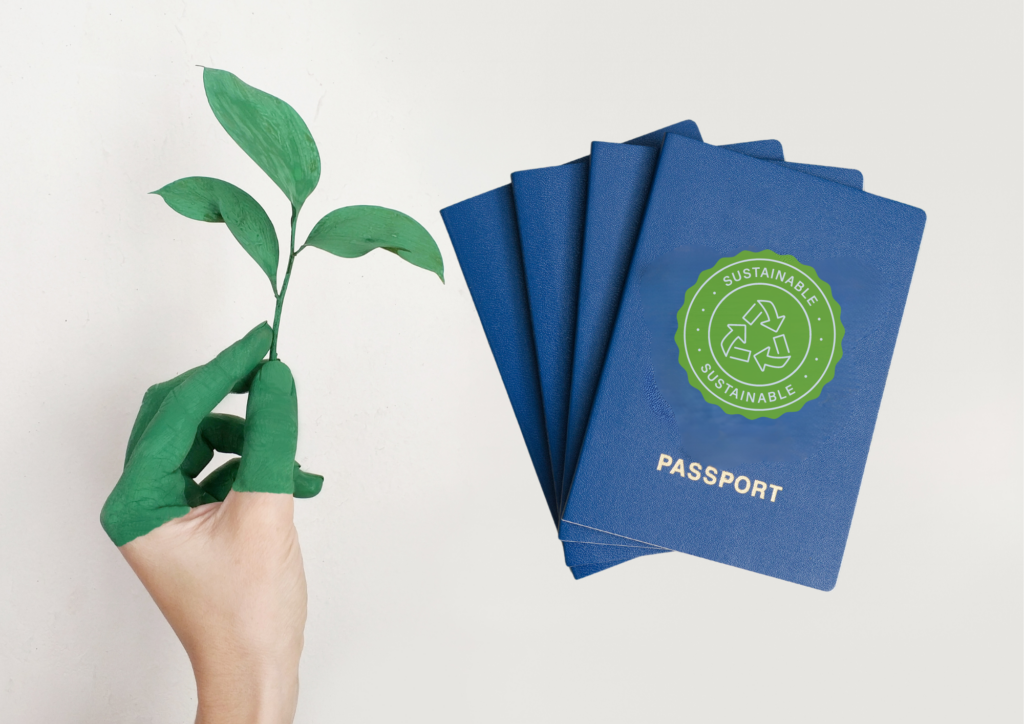
In a bold move towards a more sustainable future, the European Union has introduced the Ecodesign for Sustainable Products Regulation (ESPR), which came into force on 18 July 2024. This regulation is central to the EU’s strategy for creating environmentally sustainable and circular products. It sets rigorous new standards for energy efficiency, material use, and recyclability, with an innovative addition of the Digital Product Passport. Prioritizing categories such as textiles, furniture, tyres, and electronics, the ESPR aims to enhance repairability and extend product lifecycles by focusing on design—where up to 80% of a product’s environmental impact is determined. Discover how these new measures will shape the future of sustainable product design and what it means for consumers and industries alike.
General Assembly Meeting in Grenoble, France – Defining the Next Chapter of Biofiber Innovations
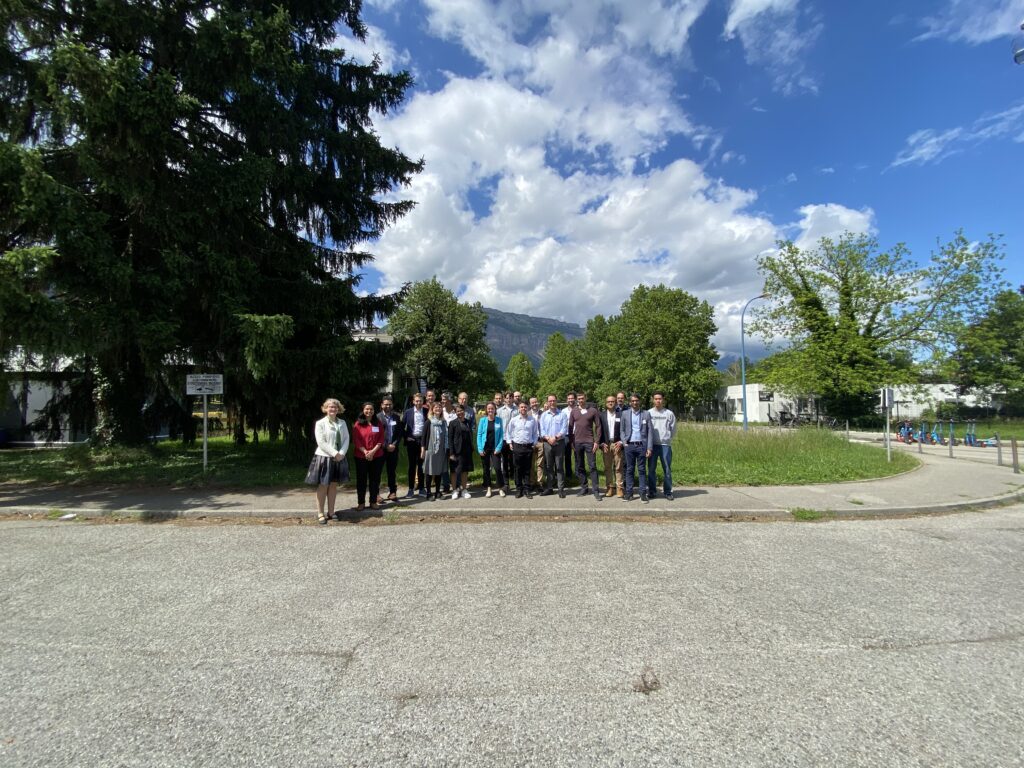
On May 22-23, 2024, the picturesque city of Grenoble, France, played host to Bio-LUSH General Assembly Meeting. Convened at the FCBA within the Centre Technique du Papier on the University […]
Exploring Bio-LUSH and VALUABLE’s Shared Vision for Sustainability
Bio-LUSH is collaborating with VALUABLE, an innovative EU-funded project at the forefront of biomass valorization, as it sets away on an adventure towards sustainability. In this interview, we learn about […]
PhD in Position at Unilever on “Bio-based Functional Coatings and Films for Food Applications”
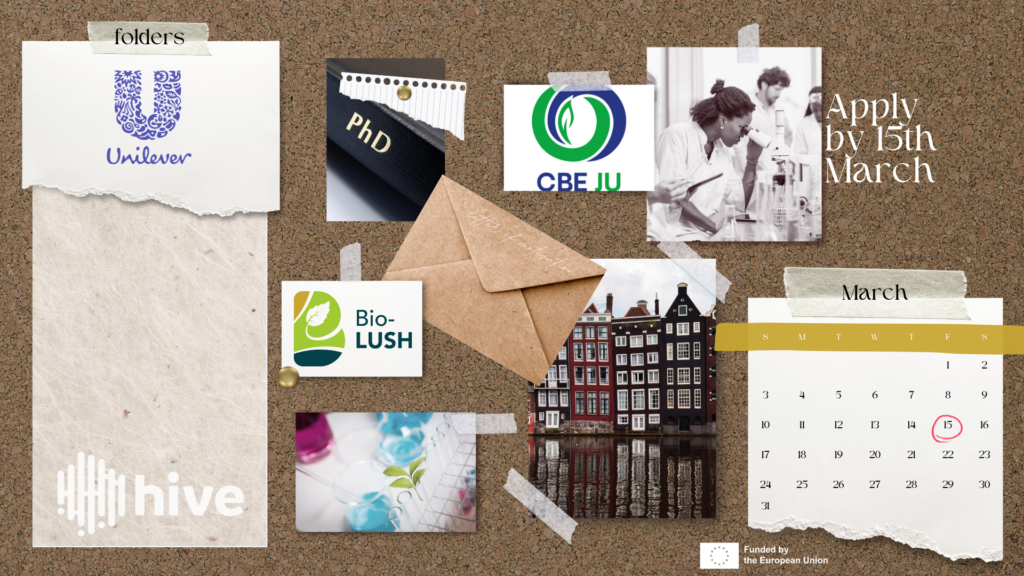
Are you a passionate experimental physicist or physical chemist with a keen interest in material science and biobased materials? Unilever Innovation Centre Wageningen is currently seeking an Early-Stage Researcher (R1) […]
Threads of Progress: Reviewing the History and Building a Sustainable Future for the EU’s Textile Industry
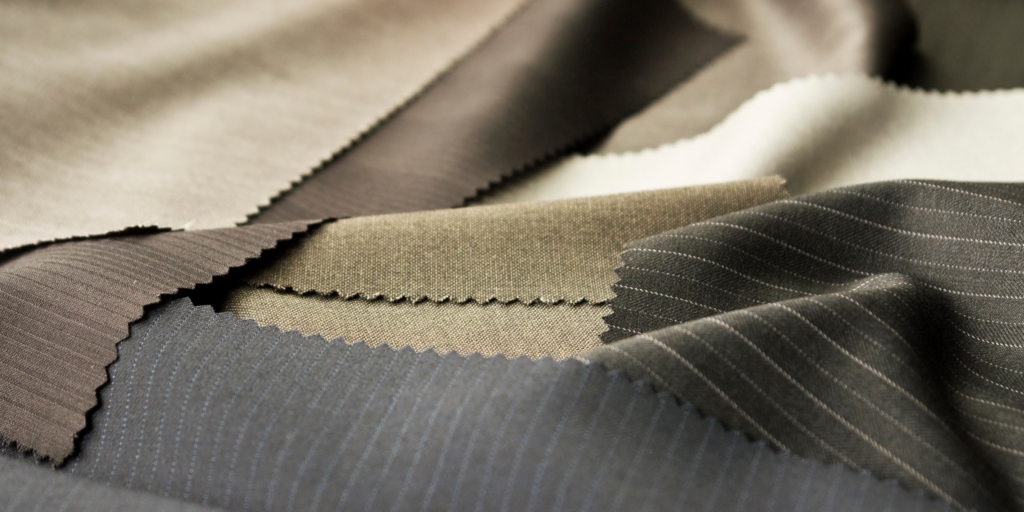
We set off on a historical tour of Europe’s textile industry, following the expert weavers of Flanders to the busy textile hubs of England. Yet, you’ll find environmental challenges to […]
A Glimpse into Sustainable Biomass Valorization and Fiber Innovation – Highlights from the Bio-LUSH General Assembly 2023
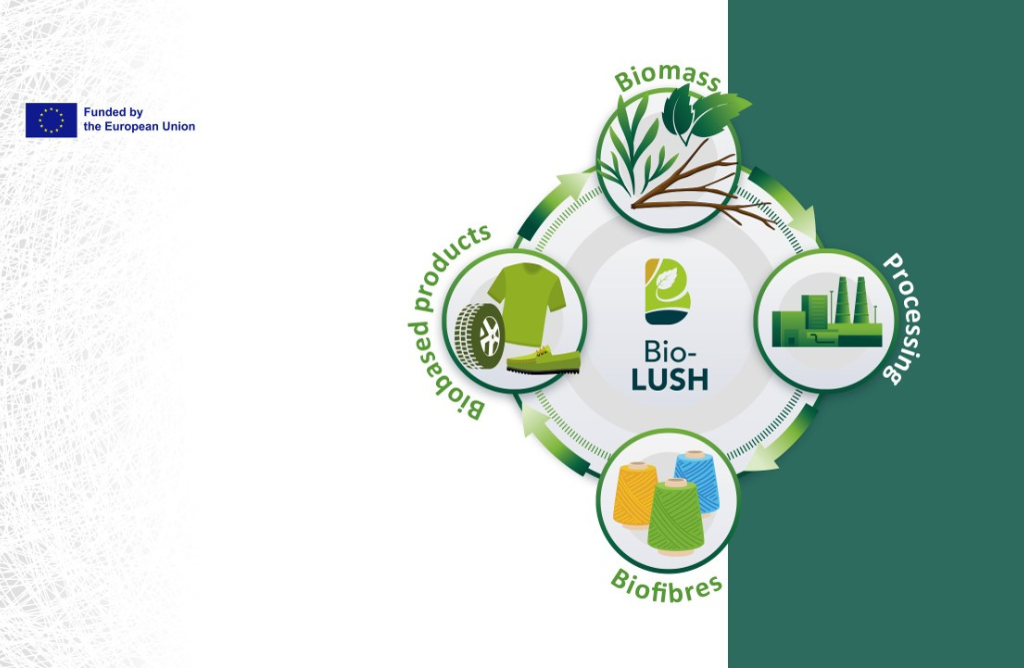
The General Assembly of the much-awaited Bio-LUSH project took place on November 23rd and 24th, 2023, in the impressive city of Bologna, Italy. The assembly, which was held at the […]
Revolutionizing Europe’s Biofibrous Economy: The Bio-LUSH Mission
The circular economy is like a library, where books are borrowed and returned, instead of being thrown away. As the world develops new technologies and processes, from the circular economy, […]