


A wooden crate or a sheet of plywood is only part of what a poplar tree becomes. Cutting and processing the wood …
At a CELLFIL policy discussion in Riga, Anusha Bhat presented how Bio-LUSH connects research, value chains and policy. What does it take …

A closer look at hemp hurd, the woody material that Bio-LUSH is exploring as a source of fibres for new materials.

For generations, burning was the fast answer to a slow problem. A field full of stubble, cleared in an afternoon with a …

Drive past almost any harvested field in Europe this time of year and you’ll see it: stubble, stalks, husks, the plant matter …

Every year, after the combines and balers have finished their work, Europe’s farmland is left covered in something that has no obvious …

Along some Mediterranean beaches, the sea leaves behind tangled leaves and rounded balls of plant fibres. These remains can look like little …

Explaining years of research in three minutes is no easy task. There is little time for detailed methodology or extensive discussion. Instead, …

For decades, Europe’s forests, fields, and coastlines have quietly produced an abundance of biomass that rarely reaches its full potential. Agricultural residues, …

When working with microfibrillated cellulose, size is more than a measurement. It influences how the material flows, how it responds during processing, …

Cellulose rarely makes headlines, yet it sits at the centre of some of today’s most important questions in sustainable materials. How do …

A plant most people avoid touching might seem an unlikely source of cloth. Yet nettle has a textile history stretching back thousands …

From 11-13 May, 2026, the Bio-LUSH consortium came together in Espoo, Finland, for the project's M36 General Assembly, kindly hosted by our partners at VTT Technical Research Centre of Finland. Over three productive days, partners reviewed project progress, aligned on upcoming activities, and prepared for the next phase of Bio-LUSH.

Bio-LUSH joined the first meeting of the Rural Pact Community Group on Women in Rural Areas, contributing to European discussions focused on strengthening the visibility and voice of rural women in EU policy discussions, including the post-2027 CAP and NRPP negotiations. The initiative brings together stakeholders working to support more inclusive, innovative, and resilient rural communities across Europe.

The MATRAC 2 programme introduced researchers to neutron and synchrotron scattering techniques used to study materials at different scales. Participants attended lectures, visited the FRM II facility at the Technical University of Munich, and presented their research, including Bio-LUSH work on biomaterials.

Spinnova’s fiber technology introduces a fundamentally new methodology for producing fibers from cellulosic- and residual raw materials, setting it apart from traditional man-made cellulose-based fibers. Unlike established processes for creating man-made fibers such as viscose and lyocell, Spinnova employs a mechanical transformation process that eliminates the requirement for harmful chemicals and solvent recovery systems.

At the 2025 MRS Fall Meeting & Exhibit in Boston (30 November – 5 December), Bio-LUSH researchers presented their work on bioinspired nanocellulose 3D printing materials, exploring how controlled anisotropic particles can be developed into functional structures, advancing the project's vision for sustainable, high-performance bio-based materials.

From 26–28 May, the Bio-LUSH consortium gathered in Dübendorf, Switzerland, for the project’s General Assembly, hosted by Empa – the Swiss Federal Laboratories for Materials Science and Technology. The meeting marked an important milestone for Bio-LUSH, as partners demonstrated concrete progress in scale up od fibre and nanofibre production, from laboratory to pilot level.

On 4 December 2025, Dr Maud Chemin from Institut Technologique FCBA presented Bio-LUSH at the Journée d'Échange, Chimie du Bois, organised by Bioeconomy For Change in the Grand Est region. Her presentation focused on the project's biorefinery approach to cellulose recovery from wood biomass, sparking promising conversations around flexible, sustainable bio-based value chains.

When the European Commission released its Strategic Framework for a Competitive and Sustainable EU Bioeconomy (COM(2025) 960 final), it sent a clear message: the bioeconomy is no longer a future ambition, it is now a strategic pillar of Europe’s industrial, environmental, and economic direction.

This blog is based on the recent review “4D Printing of Natural Materials” published in Sustainable Materials and Technologies (2025) by Beatriz …

As autumn sets in, our partners at FCBA are finding shelter from the shifting weather in their lab where the work is anything but still. Here, the focus is on cellulose nanofibers (CNF) and how these tiny yet mighty structures could shape the next generation of sustainable materials.

Even in the summer months, our partners at Empa continue to explore new and innovative ways of making textiles and packaging materials more sustainable. In today’s update, they share fresh insights into processing plant-based fibers without compromising quality—or the planet.

From May 26–28, the Bio-LUSH team came together in Dübendorf, Switzerland, for our General Assembly, hosted by Empa – the Swiss Federal Laboratories for Materials Science and Technology. Over three days, we shared updates, aligned on next steps, and got a close-up look at where the Bio-LUSH process is coming to life.

On 13 June, Bio-LUSH joined the 15th edition of the ECOSYSTEX Insights Series, an online gathering of EU-funded projects working to steer the textile sector away from fossil-based materials and toward a more sustainable, bio-based future. This session spotlighted Bio-LUSH, POLYMERS-5B, and pHYBi, each exploring innovative uses for natural feedstocks, waste streams, and overlooked resources.

Today, on Global Recycling Day, it's time to rethink how we view waste. For too long, we’ve seen recycling as just a way to manage what we throw away—but there’s so much more at stake. It's about closing the loop on materials and ensuring they stay in use for as long as possible.
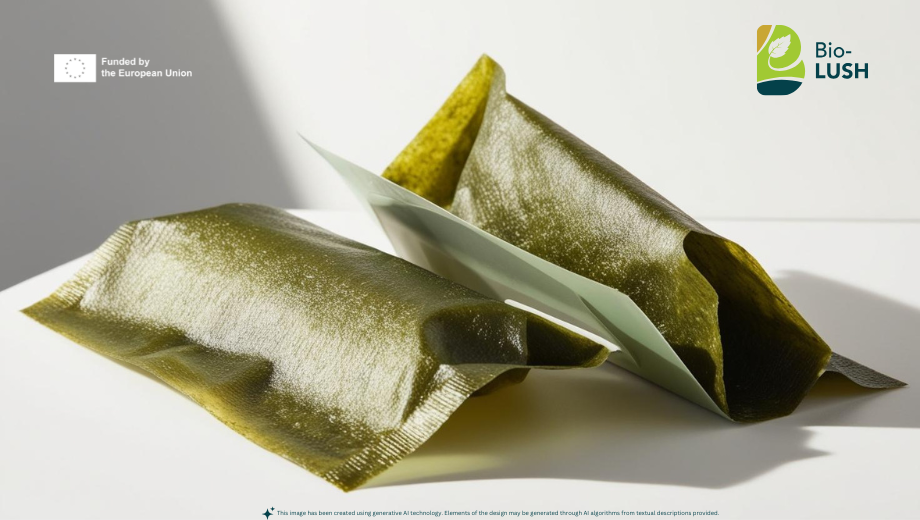
An appetizing innovation or a hard pill to swallow? Let's dive into what the global community has to say about turning our …
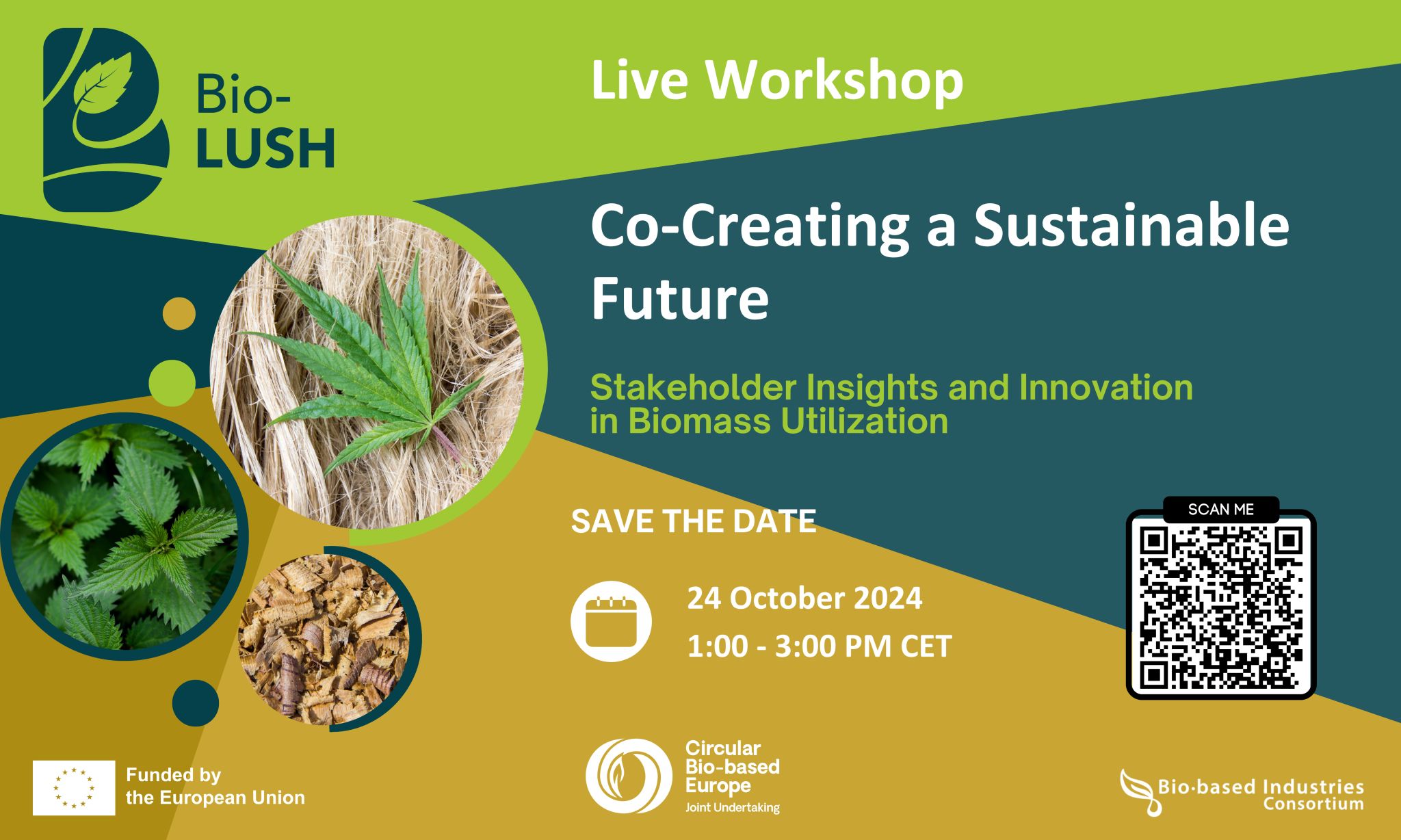
On October 24th, 2024, the Bio-LUSH project hosted a milestone event: the Co-Creating a Sustainable Future - Stakeholder Insights and Innovation in Biomass Utilization Confirmation workshop. This workshop aimed to engage diverse stakeholders in identifying barriers and opportunities within the bio-based sector. It provided an opportunity to align Bio-LUSH’s activities with the real-world needs of farmers, industry leaders, researchers, and policymakers, all while driving progress toward a more sustainable bioeconomy.
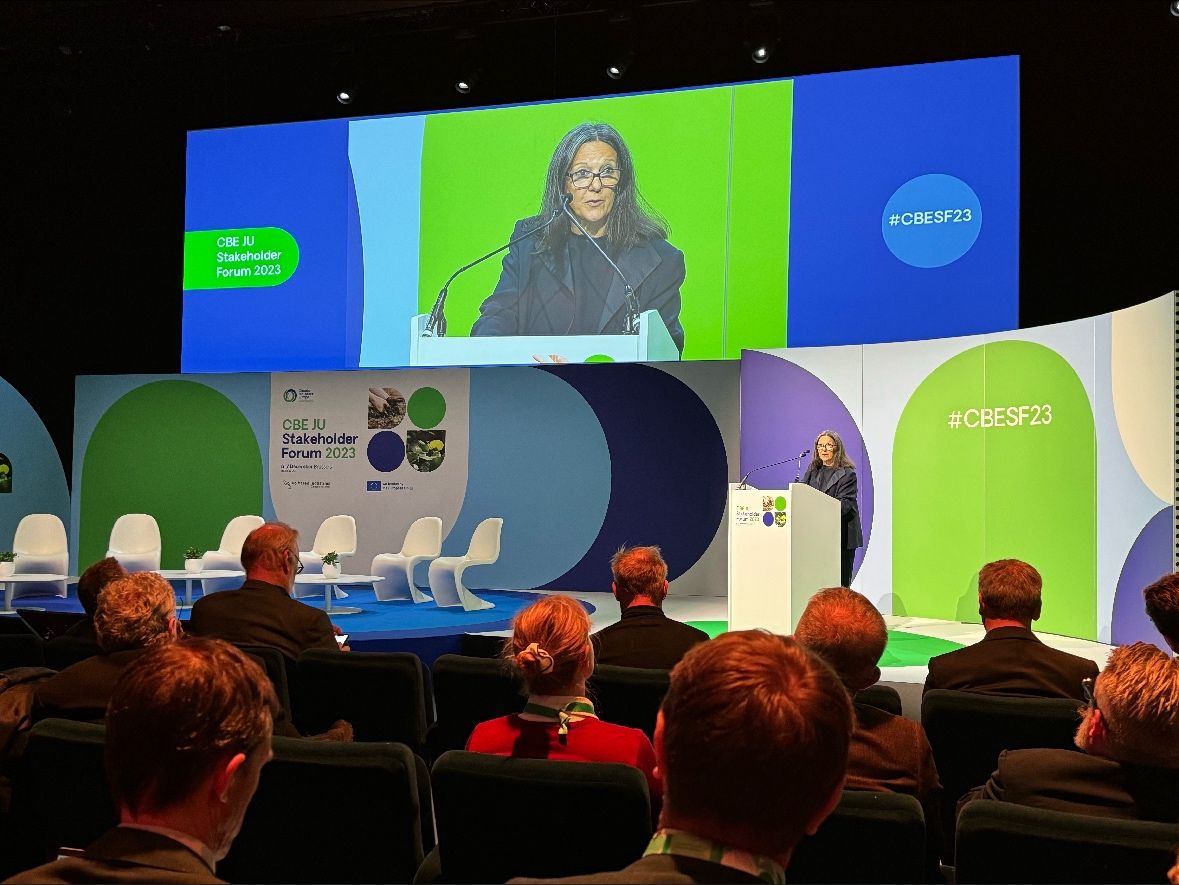
The Bio-LUSH project proudly participated in the first CBE JU Stakeholder Forum (CBESF23), held in Brussels on December 6–7, 2023. This landmark event delivered on its promise of sparking discussions about the future of Europe’s bio-based sector, showcasing groundbreaking innovations, and solutions to build a more sustainable future.
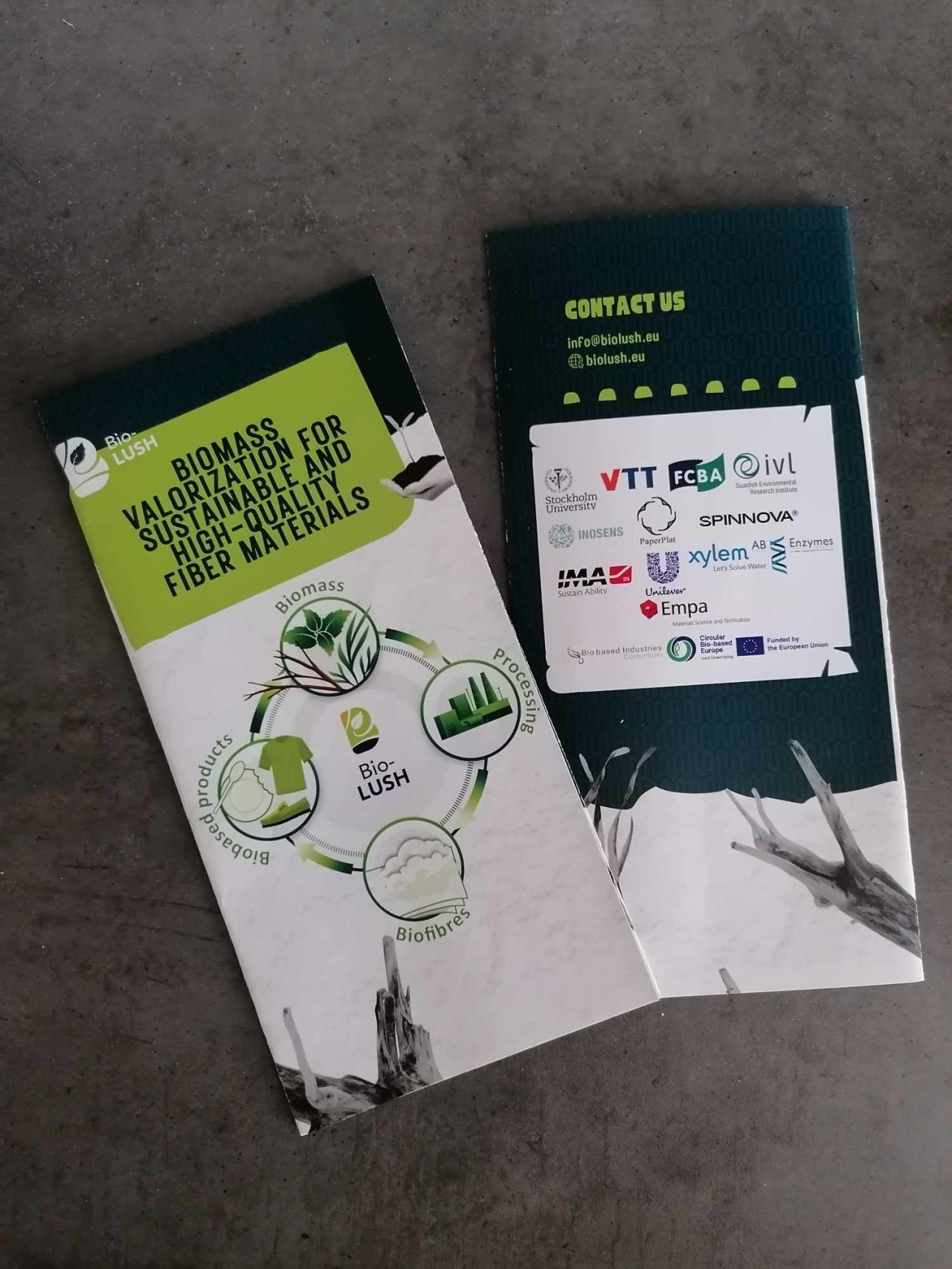
On April 23, 2024, the Charlemagne building in Brussels welcomed over 500 participants for the CBE JU Info Day 2024. This hybrid event, attended in person and streamed online, provided key insights into the CBE JU 2024 call for project proposals. Among the attendees was our own Vladimir Mrkajic, representing InoSens, who seized the opportunity to promote our latest CBE JU-funded project, Bio-LUSH.
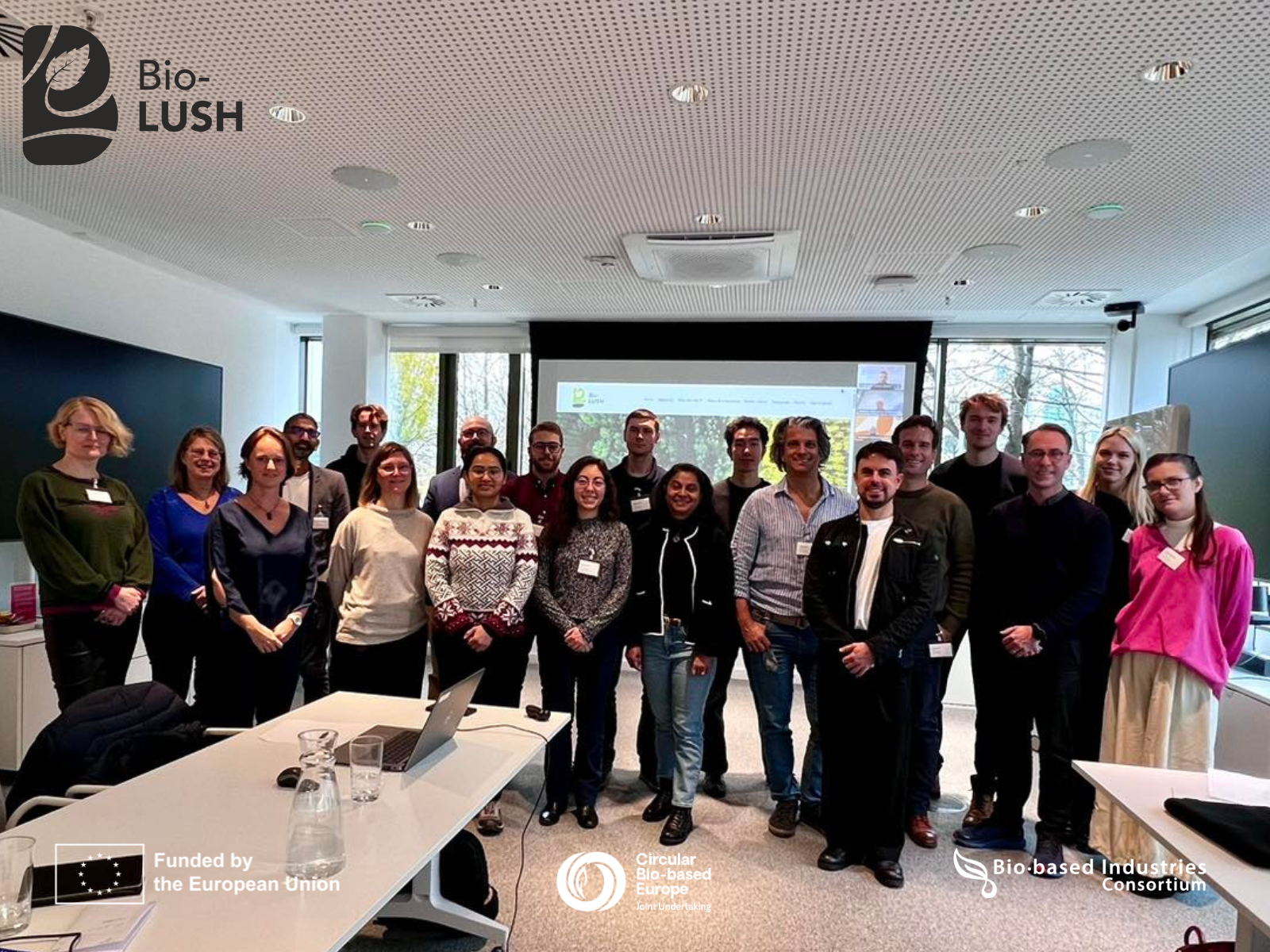
On 20-21st of November, during snowy day in Munich, the Bio-LUSH team warmed up with dynamic discussions regarding the project’s progress and actionable steps towards next project milestones. The event was hosted by Essity, located in Aschheim, Germany. Grab a warm cup of tea and enjoy the highlights from each day:
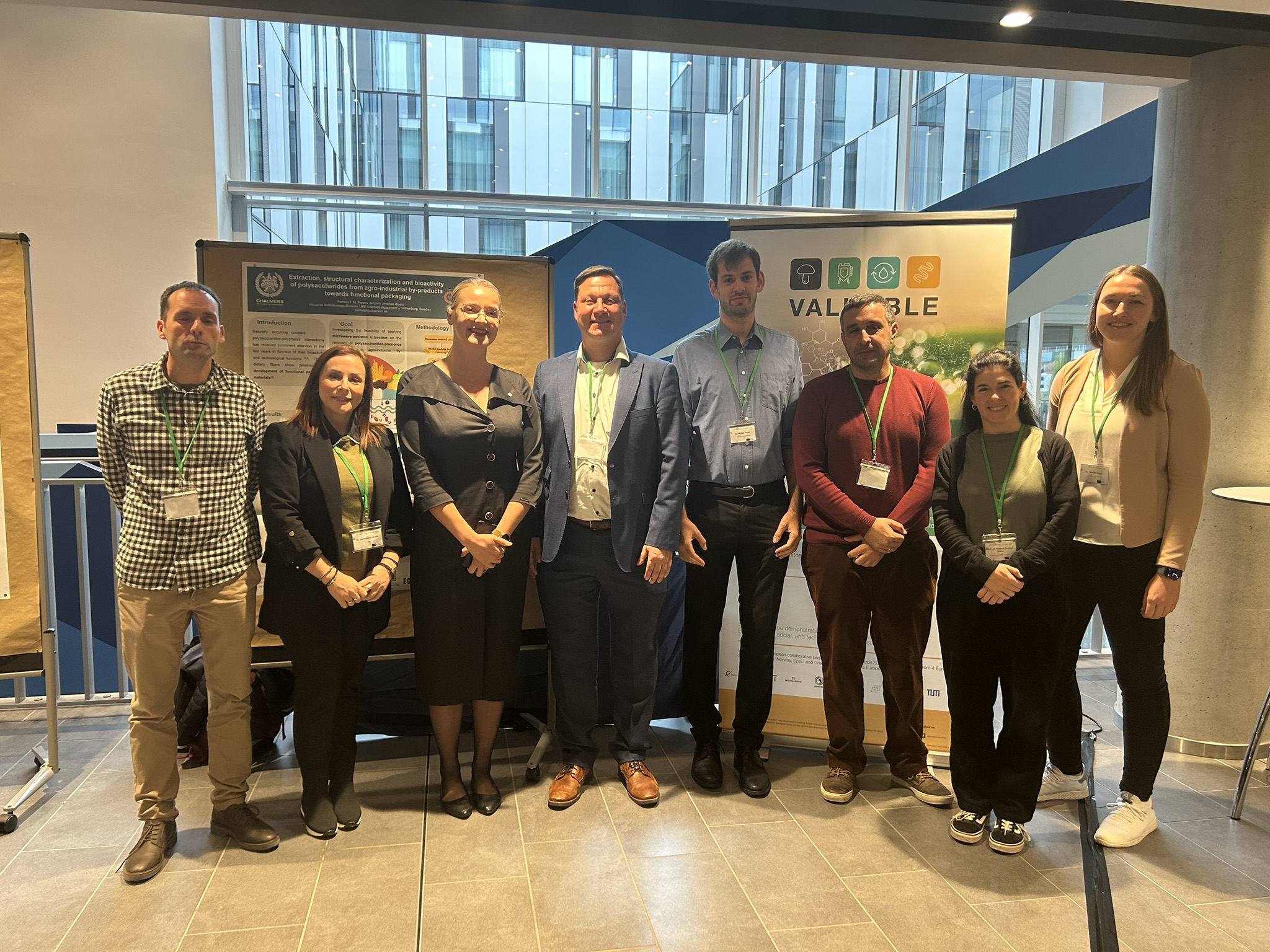
On October 15th, the Technical University of Munich played host to the “Insights Into EU's Modern Bioeconomy - New Ways to Valorise Underexploited Biomass” workshop. This event offered a perfect opportunity for projects to display their newest developments in transforming underutilized biomass into high-value products.
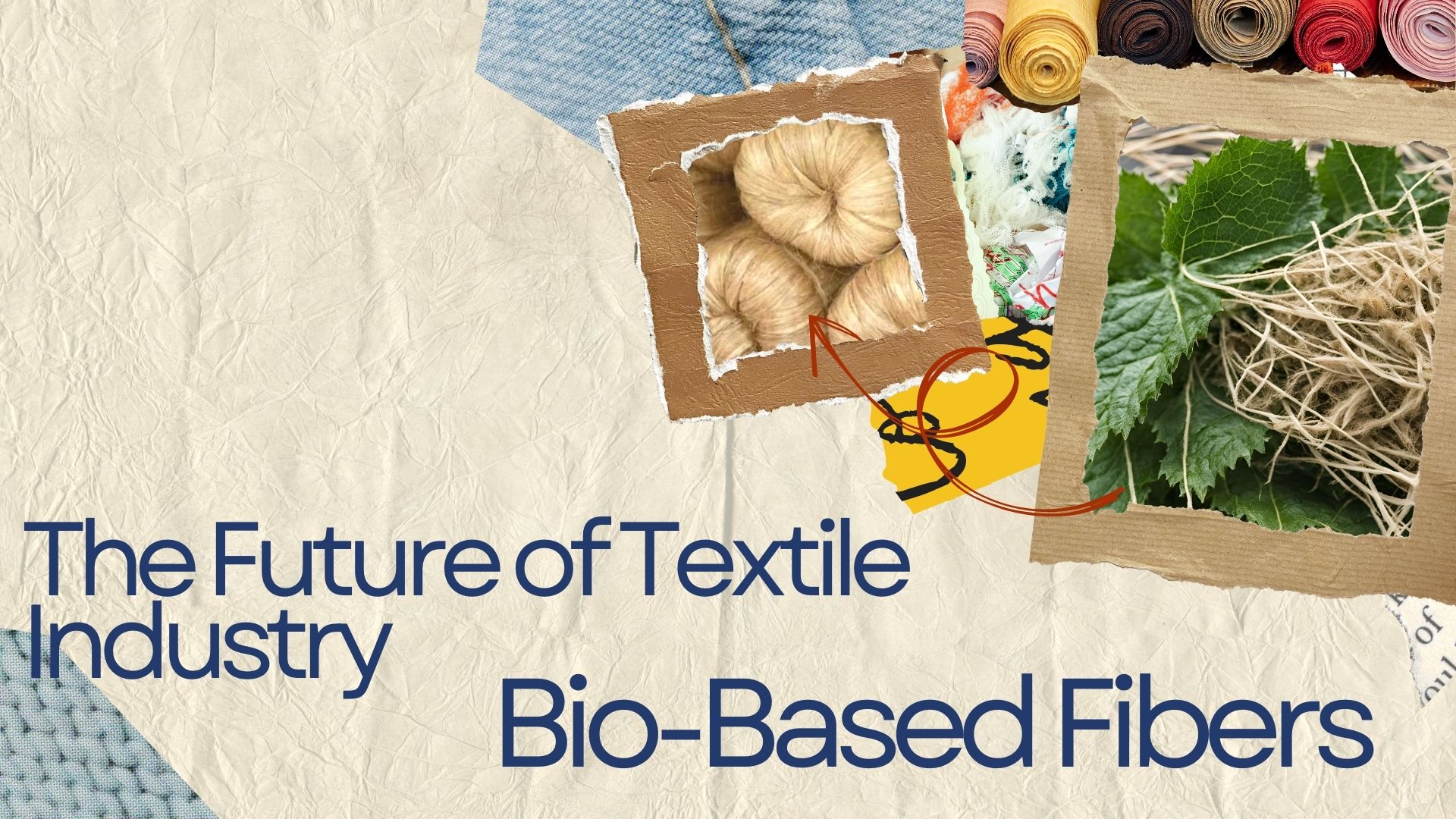
As global fiber demand continues to rise, the environmental toll of fossil-based fibers is becoming increasingly urgent. In just one year, fiber production surged from 116 million tons in 2022 to 124 million tons in 2023, with projections estimating the global market will reach 160 million tons by 2030.
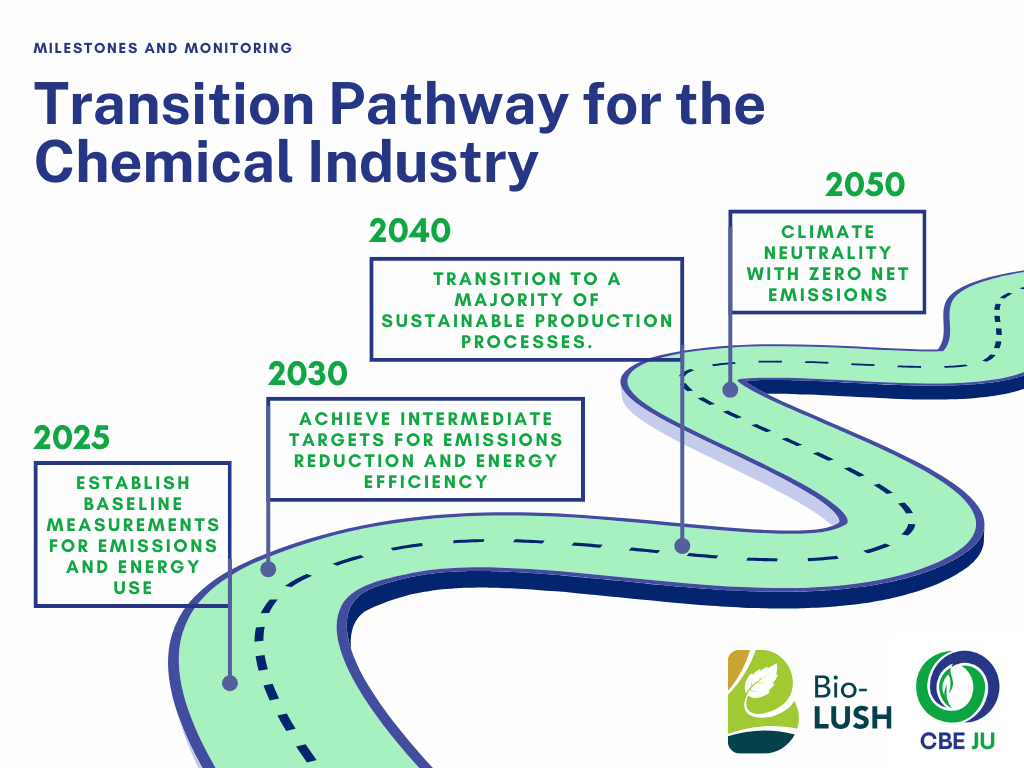
The “Transition Pathway for the Chemical Industry” is a strategic roadmap crafted to guide the sector towards sustainability and climate neutrality. This comprehensive document provides a detailed framework for achieving these goals, outlining specific actions, milestones, and support mechanisms essential for a successful transition. In our blog, we offer an overview of all the important points from this roadmap, highlighting the key strategies and steps that need to be considered to align the operations with environmental standards and drive progress towards a greener future.

Quality Products
Aenean vestibulum quis nulla quis scelerisque. Cras volutpat risus in feugiat vestibulum.

Always Fresh
Aenean vestibulum quis nulla quis scelerisque. Cras volutpat risus in feugiat vestibulum.

Excellent Services
Aenean vestibulum quis nulla quis scelerisque. Cras volutpat risus in feugiat vestibulum.